| Share Presentation: https://NeoK12.com/pres/ZNERSYS3 | |


The Nervous System - Structure and Functions
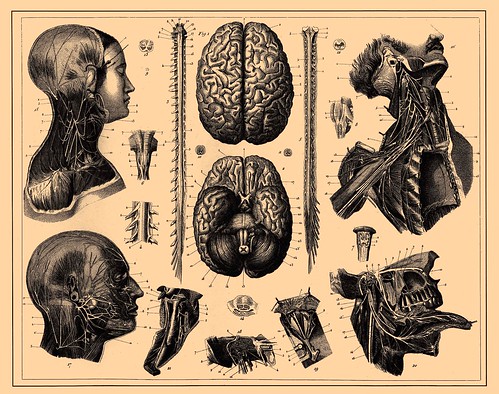
| This picture is of some parts of the human body. The human body consists of many functions of which the human being needs to be able to survive. One of these many functions, is the nervous system. The nervous system acts as the body's central command post. It has two basic functions. First, it gathers and interprets information. This info comes from inside your body and from the world outside of your body. Then, the nervous system responds to that information as needed. The nervous system has two main parts: the central nervous system ( CNS ) and the peripheral nervous system ( PNS ). The PNS is all of the parts of the nervous system except for the brain and the spinal cord. It connects all parts of the body to the CNS, too. The PNS also uses specialized structures, called nerves, to carry information between your body and your CNS. | ||||
| The picture to the left is a sand statue of a brain cupped inside of a human's hand. The brain is a very important function of the human body, and is required in every mammal to be able to survive. In fact, the brain is the main control center of the nervous system, and it controls every single thing you do. Although, some of the movements or other things that you do are involuntary, which means they occur automatically without you thinking about it. On the other hand, some things you do are voluntary, which means something occurs when you want it to. For example, if you wanted to move your arm, your brain sends signals along motor neurons to muscles in your arm. | ||||
Also, the brain is split into two hemispheres, easily known as the right and left hemispheres. The left hemisphere controls the right side of the body, and the right side controls, well, you can guess. ( Left side. ) In this, the left hemisphere's job is usually having to do with activities such as speaking, reading, writing, and solving problems. The right hemisphere helps directs you to do things such as spacial thinking, processing music, and interpreting emotions. Although, these two hemispheres consists of three main parts: the cerebrum, the cerebellum, and the medulla. The cerebrum is shaped like a mushroom cap, and it is the largest part of your brain. The cerebrum is also where you think and most memories are stored. It also controls voluntary movements and allows you to sense touch, light, sound, odors, taste, pain, heat, and cold. The cerebellum lies beneath the back of the cerebrum. It is the second-largest part of your brain, and it processes sensory information from your body, such as from skeletal muscles and joints. The medulla is the part of the brain that connects to the spinal cord. Even though the medulla is only about three centimeters long, you can't live without it. The medulla controls involuntary processes such as your heart rate, breathing, and blinking. | |||||
| The picture shown on your left is of neurons inside of a brain. Messages about your environment travel through the nervous system along neurons. a neuron is a nerve cell that is specialized to transfer messages in the form of fast-moving electrical energy. These electrical messages are known as impulses. In many ways, a neuron is similar to other cells. A neuron has a large region in its center called the cell body. The cell body has a nucleus and cell organelles. But neurons also have special structures called dendrites and axons. Dendrites are usually short, branched extensions of the cell. Neurons receive info form other cells through their dendrites. Axons carry impulses away from the body. Axons are elongated extensions of a neuron. They can either be very short or quite long. The end of an axon also has branches that allow information to pass to other cells. The top of each branch is called an axon terminal. | ||||
| Some neurons are also called sensory neurons. These neurons gather information about what is happening in and around your body. They have specialized nerve endings called receptors. Receptors detect changes on the inside and on the outside of the body. For example, if someone was to turn on light switch, sensory neurons would send this information to the CNS for processing. | ||||
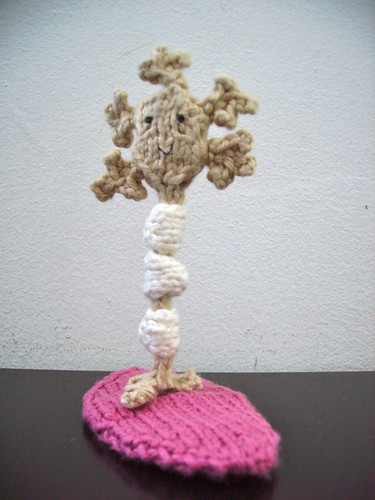
| This is a picture of a motor neuron on a muscle cell. A motor neuron is a type of neuron that sends impulses from the brain and spinal cord. When muscles get impulses from motor neurons, they respond by contracting. For example, if you were riding in car and the sun was shining through the windows, the bright rays would cause you to squint. This is because squinting lets in less light to your eyes. | ||||
| The central nervous system is connected to the rest of your body by nerves. A nerve is a collection of axons bundled together by blood vessels and connective tissue. The axons inside of nerves transmit information from the spinal cord to muscle fibers. | ||||
| You now know that the PNS has two main parts-the sensory part ( sensory neurons ), and the motor part ( motor neurons ). The motor part of the PNS has two kinds of nerves: somatic nerves and autonomic nerves. The somatic nervous system is under your conscious control. It controls voluntary movements such as smiling, talking, and writing. The autonomic nervous system, however, does not need your conscious control. This system controls bodily functions such as digestion and your heart rate. The main job of the autonomic nervous system is to keep your body's functions in balance. The autonomic nervous system also has two divisions: the sympathetic nervous system and the parasympathetic nervous system. These two divisions work together to keep your internal environment stable. This is called homeostasis. | ||||
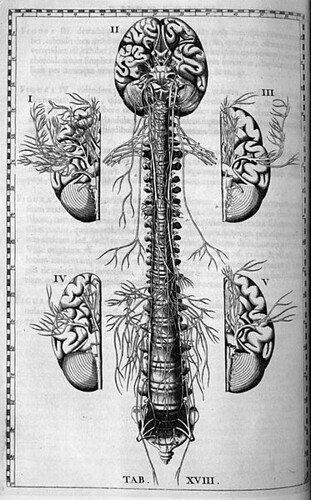
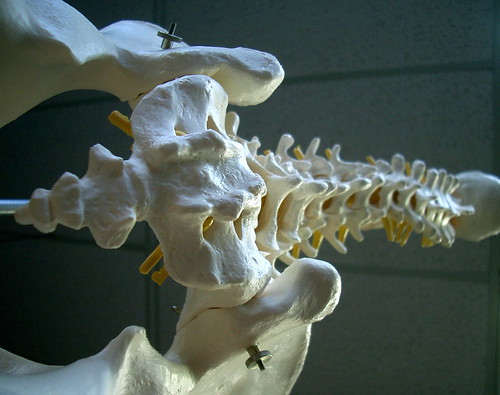
| Your spinal cord,which is part of your CNS, is about as big around as your thumb. The spinal cord is made up of neurons and bundles of axons that pass impulses to the brain. The spinal cord is surrounded by protective bones called vertebrae. Spinal cord injury may block all information from passing to the brain. Sensory information coming form below the injury may not be able to get to the brain. Many spinal cord injuries can be avoided by safety precautions such as wearing a seat belt. Among young people, spinal cord injuries are sometimes related to sports and other activities. These injuries may be avoided by wearing proper safety equipment. | ||||
| Hope you learned a lot from my presentation about the parts and functions of the nervous system! ( Which you probably did, since it's like a book! : ) ) | ||||




Share this Presentation: https://NeoK12.com/pres/ZNERSYS3 NeoK12.com - Educational Videos, Lessons, Quizzes & Presentations
NeoK12.com - Educational Videos, Lessons, Quizzes & PresentationsAll images are linked from Flickr Creative Commons under CC BY, CC BY-SA, CC0. Click attribution link under image for full details.