| Share Presentation: https://NeoK12.com/pres/ZGLACIE3 | |


Glaciers
|
A glacier is a large flowing ice mass. Some glaciers move at a snail's pace, just a few inches a day, while others advance more than a hundred feet a day.
| ||||
|
Glaciers are formed as large amounts of snow accumulate over many years and individual snow flakes at the bottom of the snow pile are compacted into grain-like pellets called firn.
| ||||
|
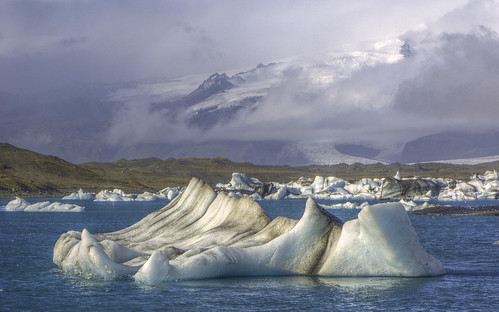
When that chunk of ice floats in the water it is called an iceberg.
| ||||
|
An iceberg floats in the ocean. | ||||
|
There are animals, such a polar bears , seals and walruses that use icebergs as a place to rest and hunt for food.
| ||||
|
Glacier ice can move as much as 1 foot each day!
| ||||
|
The Fox Glacier is a 13 km long glacier located in Westland Tai Poutini National Park on the West Coast of New Zealand's South Island.
| ||||
|
Scientists are interested in glaciers because these chunks of ice can be used to study global warming. People are putting more carbon dioxide gas into the Earth’s atmosphere, or air, every year by doing things like burning coal for electricity. Like a blanket in the atmosphere, that carbon dioxide traps heat and warms the planet. | ||||




Share this Presentation: https://NeoK12.com/pres/ZGLACIE3 NeoK12.com - Educational Videos, Lessons, Quizzes & Presentations
NeoK12.com - Educational Videos, Lessons, Quizzes & PresentationsAll images are linked from Flickr Creative Commons under CC BY, CC BY-SA, CC0. Click attribution link under image for full details.