| Share Presentation: https://NeoK12.com/pres/L9UUD3E4 | |


Solids, Liquids, and Gases
Mrs. Cockrell 10/22/13
| Liquids move around by splishing and splashing and swishing. They take the shape of any container they are poured into. Liquids can be poured. This water is a great example of a liquid. | ||||
| Solids hold their shape and do not change shapes unless they are heated or cooled to a certain point. The particles in a solid are very close together in neat rows, and do not move around much at all. These statues made from rock are a great example of a solid. | ||||
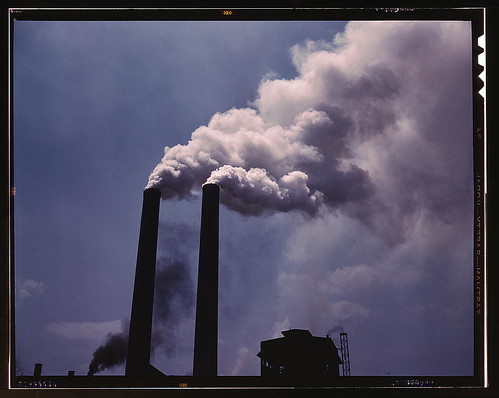
| Gases do not have a shape and sometimes cannot be seen, like wind or air. Gases fill any container they are put into. Gases float. The particles of a gas move around very quickly and are far apart and bouncing all around. The smoke from this factory is a great example of a gas. | ||||
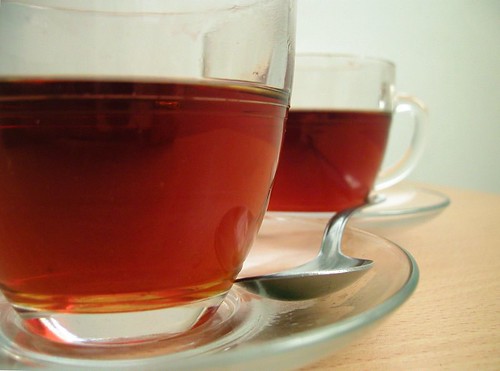
| In which state is the brown substance? How do you know? | ||||
| In what state is this substance? How can you tell? | ||||
| The substance in this photo cannot be seen. What substance is it? What state of matter is it? | ||||
| The air inside the balloon is in what state of matter? | ||||
| The water droplet in this photo are in what state of matter? | ||||
| In which state of matter are the bricks that form this walkway and building? | ||||
| What about the water droplets on this flower? | ||||
| These origami shapes are in what state of matter? | ||||
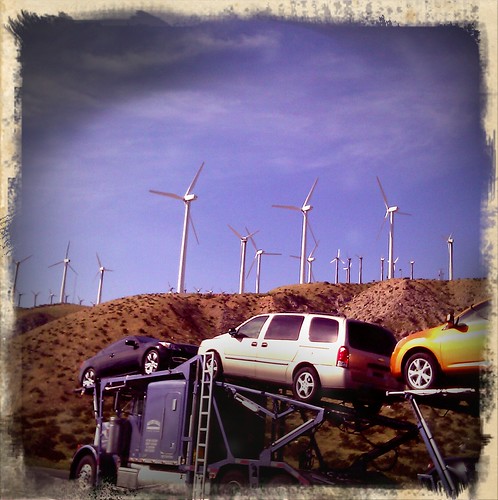
| This photo shows what state of matter? | ||||
| What about this one? | ||||
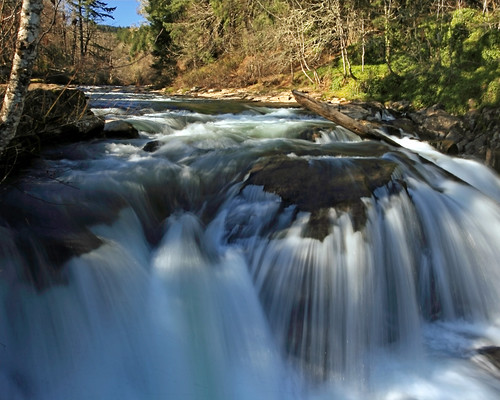
| The waterfall shows what state of matter? | ||||
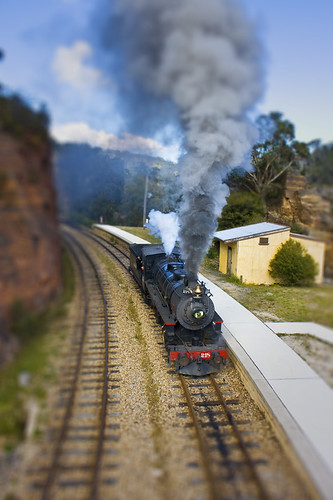
| What substance do you see rising from the train engine? In which state of matter is it? | ||||





Share this Presentation: https://NeoK12.com/pres/L9UUD3E4 NeoK12.com - Educational Videos, Lessons, Quizzes & Presentations
NeoK12.com - Educational Videos, Lessons, Quizzes & PresentationsAll images are linked from Flickr Creative Commons under CC BY, CC BY-SA, CC0. Click attribution link under image for full details.